Mercedes-AMG CLA 45 Electric Specifications and Sound Simulation Strategy
The new electric AMG CLA 45 utilizes three motors, simulated gear shifts, and seat vibrations to replicate internal combustion engine characteristics.
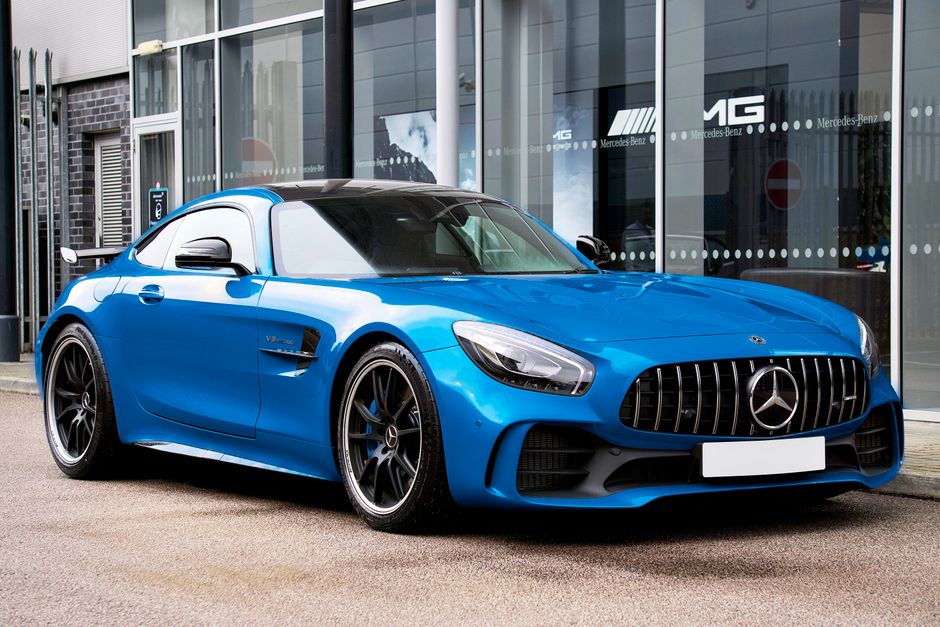
The new electric Mercedes-AMG CLA 45 features a powertrain consisting of three electric motors. According to CarScoops, this setup produces a combined 671 hp and 1,297 lb-ft (1,759 Nm) of torque. The vehicle utilizes a 94 kWh battery, which provides a WLTP driving range of 416 miles (670 km).
Performance figures for the CLA 45 include an acceleration from 0 to 62 mph in 3.0 seconds. With the AMG Dynamic Plus Package equipped, the car reaches a top speed of 168 mph. The model recently established a class lap record at the Nürburgring with a time of 7:32.070, according to CarScoops.
Simulated Combustion Engine Features
A central component of the CLA 45’s identity is its attempt to replicate the sensory experience of internal combustion engines. Mercedes-Benz CEO Ola Källenius stated in an interview with Autocar that driving the vehicle with its simulation system made him feel like a “born-again Christian,” noting it provided the sensation of a V8 engine with higher power and torque.
The car achieves this through several technical methods:
- Sound Simulation: The powertrain includes artificial soundtracks to mimic pops, bangs, and virtual gear changes.
- Tactile Feedback: The front seats are equipped with “AMGForce shakers” designed to deliver vibrations that mirror a combustion engine.
- Simulated Shifts: The software mimics the feel of traditional gear transitions.
There is a slight discrepancy in how these sounds are marketed; while Källenius highlights the V8 simulation, CarScoops notes that Mercedes initially only advertised the car’s ability to replicate a boosted four-cylinder engine.
Corporate Strategy and Software Integration
Mercedes-Benz is pivoting toward a software-defined vehicle model. The brand is deploying its MB.OS operating system across several models, including the C-Class Electric, as well as the new combustion S-Class and C-Class. This software framework is part of a broader architecture strategy to launch 40 models by the end of 2027.
The company is utilizing two primary electric architectures—MMA and MB.EA—which underpin the production of the CLA, the near-500-mile range C-Class Electric, and the GLC. Källenius indicated that while Mercedes aims for an all-electric future, the company will continue to produce high-tech electrified combustion engines to meet current consumer demand.
Market Context and Competition
The use of simulated sounds and gear shifts is a trend shared by other manufacturers. Electrek reports that Hyundai’s Ioniq 5 N and Dodge’s Charger Daytona utilize similar technologies to provide a soundtrack and simulated gear changes for their electric performance vehicles.
Källenius, who previously managed the AMG performance division, oversaw Formula 1 engine operations in Brixworth, and served as an executive director of operations at McLaren during the SLR program, argues that performance enthusiasts are learning a “new language” regarding hardware and software integration. He stated that Mercedes intends to grow its performance business disproportionately by using bespoke platforms that share components with the wider Mercedes lineup.
Analysis: The Bridge to Electrification
The reports highlight a clear tension between technological advancement and consumer nostalgia. By incorporating physical vibrations (AMGForce shakers) and artificial audio, Mercedes is attempting to create an emotional bridge for “petrol head” enthusiasts who may be skeptical of silent electric powertrains.
While the Ioniq 6 N is cited as a high-performing example of sound replication in this space, Mercedes’ strategy relies heavily on its ability to integrate these sensations into a software-defined architecture. For readers, the key takeaway is that while the hardware (motors and batteries) provides the raw capability, the brand’s primary hurdle remains the subjective experience of driving—a challenge they are addressing through simulated tactile and auditory feedback.