Hyundai's Product Roadmap and Electrification Strategy Through 2030
The automaker plans to launch over 100 new or updated vehicles by the end of the decade, focusing on range-extended EVs and luxury expansion.
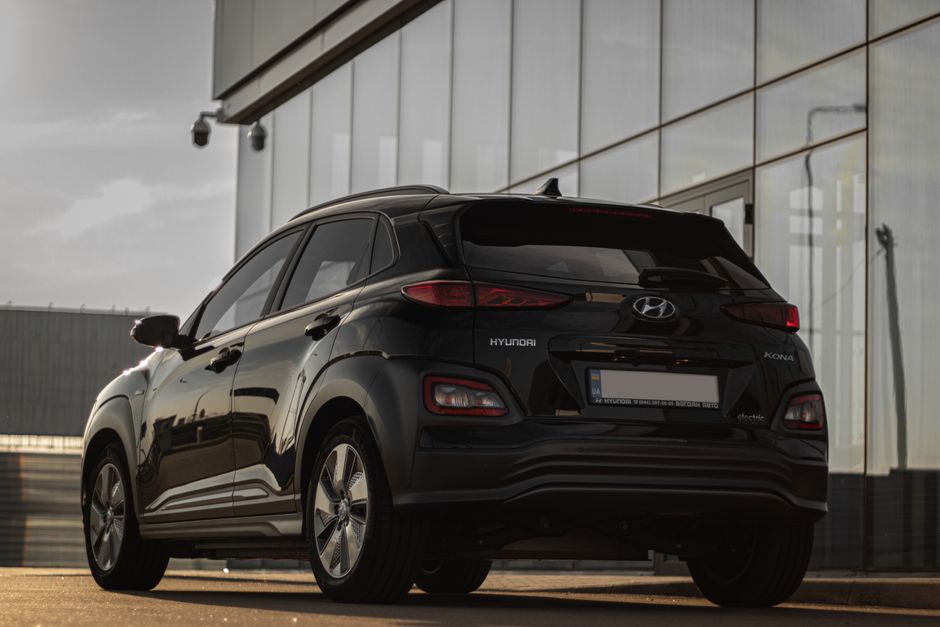
Hyundai Motor Company, including its Genesis brand, plans to release more than 100 new or refreshed vehicles globally by 2030. According to Electrek, this offensive includes a regional breakdown of 58 launches in North America, 49 in Korea, 41 in Europe, 26 in India, and 22 in China. The company’s strategy involves filling “white spaces” where it currently lacks a significant presence, including the introduction of body-on-frame vehicles like a midsize pickup (according to CarScoops).
The automaker aims to increase its annual sales of N-line models to 100,000 units by 2030. To support this volume, Hyundai intends to expand global production capacity to 1.27 million units. This capacity includes 500,000 units for North America, 320,000 in India, 200,000 in Korea, and 250,000 dedicated to CKD production (according to Electrek).
North American and European Offerings
In North America, the upcoming lineup features the new Elantra, IONIQ 3, Tucson, Tucson Hybrid, and a global B-segment SUV. The IONIQ 3, which went on sale this month, provides a range of 309 miles (497 km) and utilizes the Pleos Connect infotainment platform (according to Electrek).
Hyundai will also introduce its first extended-range electric vehicle (EREV) in the United States: the Santa Fe EREV. According to Electrek, this model is scheduled for launch in the first half of 2027 and is expected to deliver over 600 miles of combined driving range. However, CarScoops reports a higher projected range of more than 640 miles (1,030 km). Both outlets confirm the vehicle will be manufactured at Hyundai’s Alabama plant and uses a gas engine as a generator to charge its battery, aiming to provide an “EV-like” experience without charging anxiety.
In Europe, Hyundai plans to cover 85% of the market with a fully electrified portfolio by 2030. This includes five new SUVs and light commercial vehicles. The company aims to increase European EV sales from 116,000 units in 2025 to over 420,000 units by 2030 (according to Electrek). CarScoops notes that two of the upcoming B-segment models will be fully electric.
Asian Market Turnarounds and Growth
Hyundai is pursuing a turnaround in China led by the IONIQ V. According to CarScoops, this will be followed by electric and range-extended vehicles in 2027. The planned C-SUV for China will offer an EREV powertrain with up to 373 miles (600 km) of total range. Hyundai expects to sell over 500,000 vehicles in China by 2030 (according to Electrek).
For the Indian market, Hyundai is launching a new A-segment electric crossover in the fourth quarter featuring Level 2 semi-autonomous driving and next-generation infotainment. This will be followed by an internal combustion engine (ICE) mid-size SUV (according to CarScoops).
Genesis Luxury Strategy and Manufacturing Tech
Genesis is targeting annual sales of 350,000 units across more than 40 markets by 2030. For context, Lexus sold 370,260 vehicles in the United States last year (according to CarScoops). The brand’s growth is centered on the GV90 flagship and a GV80 Hybrid launching in September. The GV90 will be produced at Hyundai’s Ulsan EV plant, which serves as a software-defined factory using 108 advanced manufacturing methods including AI quality control (according to Electrek).
Technological updates include new in-house battery cells that offer more than double the output of previous high-nickel cells and reduce charging times by 40% (according to Electrek). Additionally, Hyundai plans to launch new EVs next year using mid-nickel NCM cells designed to reduce battery costs by approximately 30%.